The defence and security industry is growing and evolving at a fast pace. Rising procurement volumes, new technological requirements and the expansion of production capacities and supply chains are creating attractive new business opportunities, for both established defence companies and new market entrants. At the same time, public procurement, foreign trade, security and other regulatory requirements present companies with considerable challenges.
Luther has been advising companies and public contracting authorities on the fields of defence and security for many years, combining a wealth of experience in public procurement with advice on regulatory, corporate, technological and project-related aspects.
Our defence and security practice focuses on foreign trade law, including export and investment controls, M&A and joint ventures, public procurement, financing and antitrust, as well as IP, IT, compliance and contract law. We provide advice along the supply chain on development contracts, cooperation agreements, framework supply contracts, production contracts and logistics contracts as well as on complex, long-term project structures. On top of this, we cover the protection of classified information and other security law requirements, which often play an important role when it comes to defence- and security-related projects. In technology-driven defence and dual-use projects, we combine regulatory, contract law and IP/IT law advice with the specific requirements of cybersecurity, information security and data law, along with the legal framework governing the use of AI and other digital technologies.
Another area in which we specialise is advising companies on entering the defence market and transforming their existing business models for defence- and security-related applications. Luther advises companies on the legal requirements for entering the market, on collaborating with established defence companies and public contracting authorities, and on structuring collaborations, supply relationships and joint ventures. This also includes legal advice on establishing and scaling production capacities, supply chains and strategic partnerships.
Furthermore, we provide our clients with comprehensive advice when they wish to expand their production sites or security-related infrastructure. Luther has proven expertise in public and private construction law and combines this with experience in defence projects and public procurement. Our advice ranges from land acquisition, planning, approval, procurement and construction to financing, operation and long-term use. For complex projects, we also advise on changes of scope, claims and conflicts, as well as supporting our clients in court and arbitration proceedings.
Luther has a particularly strong track record on the interface between the public sector and industry. We advise on the entire lifecycle of complex procurement, infrastructure and defence projects – from strategic structuring and procurement to contract negotiations, financing and implementation, all the way through to long-term project management. We advise public contracting authorities on the development, structuring and implementation of complex procurement projects and advise the bidding companies on taking part in public procurement proceedings, negotiating with public contracting authorities and structuring long-term project and supply relationships.
This means that Luther covers the legal issues involved in complex defence projects as a one-stop shop – with extensive experience where industry, public procurement, technology and infrastructure intersect.
Projects in defence and security involve not only products and contracts but also people. New business units, production changes, security-related tasks, external personnel, transfers of business and compliance requirements raise employment law questions. Those who tackle these issues too late risk delays, conflicts with employee representatives or operational uncertainty.
Typical questions include: Which employees are permitted to work in sensitive areas? Which security requirements apply to certain tasks? How can employee transfers or new hires be carried out in a legally compliant manner? When should the works council be involved? What legal requirements apply to the deployment of external personnel? And how can HR compliance be organised in a practical way within a security-critical environment?
We work with you to develop employment structures that align with your defence and security strategy. We support you with your transfers of business, employee transfers and new hires, security requirements, co-determination issues, and matters relating to the balance of interests and redundancy programmes, as well as integrating external third-party personnel in compliance with legal requirements.
We view employment law as a key competitive success factor, rather than a mere formality. A clear employment law structure creates reliability – for your organisation, your workforce and your clients.
Our foreign trade law and investment controls practice draws on many years of experience to provide comprehensive advice to German and international companies on compliance with export control and sanctions regulations and represents them in investment screenings before the Federal Ministry for Economic Affairs and Energy, other member states and the European Commission. In the defence and security sector, we combine this regulatory expertise with many years of industry experience and a deep understanding of the security policy framework within which companies in this industry operate.
Business activities and transactions in the defence and security industry are influenced to a particularly heavy degree by foreign trade, investment control and sanctions regulations. Even establishing cross-border business relationships requires a regular review of export control and sanctions laws, while investments by foreign buyers are subject to increasingly stringent investment controls. At the same time, investments by foreign investors in both the defence and dual-use sector are urgently needed for technological innovation.
We help our clients identify regulatory requirements early on, manage proceedings efficiently and safeguard their commercial flexibility. This is precisely where we combine our many years of industry experience in the defence and security sector with specialised expertise in foreign trade law and investment controls.
Our primary fields of advice:
Procurements in the field of defence and security must meet demanding technical, economic and legal requirements simultaneously. Public contracting authorities face the challenge of providing the capabilities and capacities required in a timely and reliable manner. Companies need transparent conditions to take part in public procurement proceedings, plan investments and fulfil their contractual commitments over the long term. Security of supply, the protection of classified information and the adaptability of long-term contractual relationships are especially relevant.
Luther advises public contracting authorities and companies on the structuring, procurement and implementation of security- and defence-related projects. Many years of experience advising both sides has given the firm a deep understanding of decision-making processes, the options they have available, and their economic interests. This forms the foundation for a practice that blends public procurement requirements with the practical implementation of complex projects.
Advice ranges from complex infrastructure, dual-use items and defence goods to IT, logistics and other services. It comprises the development of procurement strategies, the drafting and negotiation of contracts, legal protection under public procurement law and support during project implementation. Alongside traditional procurement contracts, Luther specialises in functional and results-oriented projects, supplemented by contract and project models based on partnership, such as alliance agreements and multi-party contracts as well as integrated project delivery (IPD).
As one of the leading corporate practices in Germany, we advise German and international companies on all aspects of corporate law and corporate governance. Our advice brings together many years of experience advising executive boards, management, supervisory boards and shareholders with a deep understanding of the regulatory and economic characteristics of the defence and security industry.
This sector has particularly stringent requirements when it comes to corporate governance, compliance and the organisation of decision-making processes. We help our clients to establish governance and compliance structures that are both legally compliant and commercially viable. For management and supervisory bodies, we develop tailor-made solutions that take into account the business interests of the company and the expectations of the relevant stakeholders, while ensuring that regulatory requirements are given due consideration. This includes advice on corporate law as well as specific aspects such as capital markets law, public law requirements (e.g. the Public Corporate Governance Code (PCGK), declarations of conformity) and advice on special situations such as liability cases, compliance breaches and internal investigations.
Our advisory approach is consistently geared towards business needs: we develop pragmatic solutions tailored to the actual requirements of management, and advise executive boards, supervisory boards and specialist departments both on their day-to-day operations and in complex special situations.
Our primary fields of advice:
The enforcement of your claims against contractual partners, competitors and government agencies before the courts is essential to your economic success in the defence and security sector. Anyone looking to establish themselves and thrive in this highly competitive market needs experienced and successful lawyers specialising in dispute resolution.
We represent our clients in legal disputes and are passionate about defending their interests. Our lawyers master the complex interplay between strategy and narrative on the one hand, and case law and legislation on the other. We work with our clients to develop strategies that are tailor-made for their specific case and business operations, to efficiently resolve complex legal disputes and achieve optimal results for them.
From contract disputes and product liability issues to competition matters, we offer customised strategies to protect our clients’ business interests. Our lawyers master the art of negotiation and strive for effective arbitration proceedings to achieve an optimal outcome. The key to success lies in understanding our clients’ products, services and business operations. It goes without saying that we also provide our clients with preventive advice to help them avoid disputes before they arise.
Our primary fields of advice:
Drones are unlocking new possibilities in the fields of inspection, surveillance, logistics and security-related applications. Manufacturers, technology companies and users face legal issues throughout the entire project: from development and financing to approval, procurement and operation. When it comes to military and dual-use applications, additional requirements apply regarding export controls, protection of classified information and cooperation with public contracting authorities.
At the same time, unauthorised drone flights can endanger industrial facilities and critical infrastructure. Operators must determine which protective measures are necessary and legally permissible. In this context, the detection of a drone, the assessment of an incident and active interventions in flight operations must be considered separately. Responsibility for site security does not confer general authority to disrupt, take control of or intercept third-party drones.
We help you to structure legally compliant drone projects and to implement protection concepts for your site. We assess the requirements for the use of drones as well as detection and defence systems, provide support during approval and procurement procedures, and draft contracts with manufacturers, system integrators and security service providers. To handle incidents involving drones, we work with you to develop clear responsibilities, decision-making channels and processes for involving the relevant authorities. Technical assessments and efficiency testing are carried out by appropriately qualified experts; we accompany their involvement and provide support in the legal implementation of their findings.
Our primary fields of advice:
We work with you to determine which legal requirements your project must meet and how a practical operational or protection concept can be developed based on these.
The defence and security industry and defence-related infrastructure require significant amounts of investment and financing. Private capital market structures can help mobilise institutional capital for long-term investment strategies. Defence financing is therefore increasingly being discussed in the market for alternative investment funds as well. The goal is to address the existing demand by offering appropriate products tailored to the respective investment and investor requirements.
In the field of financial services, investment funds and alternative investments, Luther advises asset managers, fund initiators, investment management companies, depositary banks and institutional investors on alternative investments and fund and product structures, as well as investment regulatory law and tax issues.
Our advisory services focus on the development and implementation of tailor-made alternative investment funds (AIFs). Depending on the specific investment strategy and investor base, we structure fund and investment models for real estate, infrastructure, private equity and private debt investments.
We support asset managers and fund initiators throughout the entire fund lifecycle – from developing the investment strategy, selecting the suitable vehicle and establishing the governance framework to preparing the fund and transaction documentation, right through to launch, placement, management and distribution. We advise institutional investors on fund subscription, co-investments, direct investments and structuring their own investment platforms.
Our primary fields of advice:
Despite its specific characteristics, the defence and security sector is not exempt from antitrust law. Antitrust law applies to this sector too without restriction, as demonstrated by the recent track record of the German Federal Cartel Office and the European Commission.
It is therefore essential to bring in antitrust law expertise early on in the defence and security sector to ensure the legally compliant implementation of complex projects in what are often crowded markets. This includes merger control advice on transactions or the formation of joint ventures, research and development collaborations, technology transfer/licensing agreements, specialisation, production and procurement.
We help to steer your projects to success at every stage in full compliance with antitrust law.
Our primary fields of advice:
The logistics industry plays a strategically important role in the defence and security sector. Resilient logistics are essential for ensuring the continuous transportation, handling, storage, provision, procurement and distribution of defence-specific and security-related goods. This goes hand in hand with the need to manage, control and optimise all associated processes and tasks. In this rapidly evolving environment characterised by foreign policy tensions, the importance of continuously improving the flexibility of logistics systems and adapting to changing conditions becomes increasingly apparent.
Beyond physical infrastructure, digital control systems and information security are particularly important within the logistics environment. Securing critical infrastructure against cyberattacks is a key priority. For example, many logistics companies must comply with NIS2 requirements and, where applicable, critical infrastructure (KRITIS) requirements. In the event of a cyberattack, rapid, informed and rational action is imperative.
We support our clients in contractually ensuring the physical and digital reliability of logistics supply chains. Luther’s experts are known and respected throughout the industry for their comprehensive expertise and for delivering pragmatic solutions tailored to the interests of both suppliers and customers. Our approach is grounded in interdisciplinary collaboration with colleagues from other areas of law relevant to the logistics sector, including public procurement, IT, data protection and employment law.
Our primary fields of advice:
Main focus areas:
Status-quo analysis
Contractual cornerstones
Contract negotiations
Possible add-ons for project management
The failure of critical infrastructure can disrupt supplies, production and public safety. This forces operators to consider how to protect their facilities against physical threats and maintain operations even in the event of disruption. The Umbrella Act for Critical Infrastructure Protection (KRITIS-Dachgesetz) establishes a legal framework for this. The specific requirements that apply to a company depend largely on the facility in question, the critical service provided, the legal classification and the relevant exemptions.
The first step is therefore a robust applicability analysis. Subsequently, the requirements in terms of risk analyses, resilience measures, registration and reporting need to be incorporated into the company’s operational organisation. This requires an alignment of physical protection, cybersecurity and existing sector-specific obligations. The responsibilities of management and the documentation of management decisions must also be given due consideration.
We advise you throughout the process, from the legal classification of your facilities to the implementation of the requirements that apply to you. Working closely with your specialist departments and the technical experts involved, we develop a transparent allocation of obligations, responsibilities and measures. In doing so, we take into account the security and management systems already in place as well as the operational and economic impacts of additional requirements.
Our primary fields of advice:
The goal of our advice is always to ensure a legally robust and operationally manageable resilience framework. As the first step, we work with you to identify which facilities and obligations are affected and which measures should be implemented first.
In the defence and security sector, it is not merely a question of whether deliveries can be made, but whether they can be made consistently, reliably and in compliance with the terms of the contract. Delivery capacity, quality, documentation and security of supply are central success factors. Long-term spare parts and delivery obligations can have considerable economic implications.
Many risks are already embedded in the contract. Customers or system vendors often impose far-reaching obligations concerning quality, documentation, liability, delivery and subcontractors. On top of this, the terms and conditions of the German Armed Forces can indirectly affect supply chains. Accepting such requirements without thorough review may result in long-term obligations, the economic implications of which are difficult to quantify.
This is why we offer comprehensive advice in the field of supply chain management: we review your contracts, identify red flags and develop counterproposals that you can bring to the negotiating table. We draft supply, framework, quality assurance and subcontractor agreements, liability provisions, price adjustment clauses and change request mechanisms, as well as provisions governing IP and usage rights.
Your supply chain should function smoothly. But not on terms that compromise your margins, flexibility or risk position. We help you to combine contractual certainty with commercial viability.
Our primary fields of advice:
Our M&A practice has been among the leading transaction practices in Germany for many years. It advises both German and international companies on national and cross-border company acquisitions, joint ventures and strategic collaborations. In the defence and security industry, we combine this transaction experience with many years of industry expertise and a deep understanding of the regulatory framework and the unique market mechanisms within this industry.
Transactions in the defence and security industry differ significantly from traditional M&A projects. Often, the mere preparation of a transaction process demands specific confidentiality concepts and the handling of sensitive information. Added to this are specific regulatory requirements, for instance in the context of investment controls or other approval procedures under public law. These requirements become particularly significant where government agencies are involved in the transaction as contracting authorities, shareholders or contractual partners.
When it comes to joint ventures and industrial collaborations, it is crucial to understand the economic interests and strategic objectives of the parties and to translate these into viable joint venture structures and participation agreements. This is precisely where we bring together our strong track record in the defence and security sector with the transaction experience of our M&A practice.
Our primary fields of advice:


Nicole Bittlingmayer
Partner
Frankfurt a.M.
Dr Christoph von Burgsdorff, LL.M. (Essex)
Partner
Hamburg
Dr Maximilian Dorndorf
Partner
Essen
Dr Alexander Ehrle, LL.M. (NYU)
Partner
Frankfurt a.M., Brussels
Dr Gernot-Rüdiger Engel
Partner
Hamburg
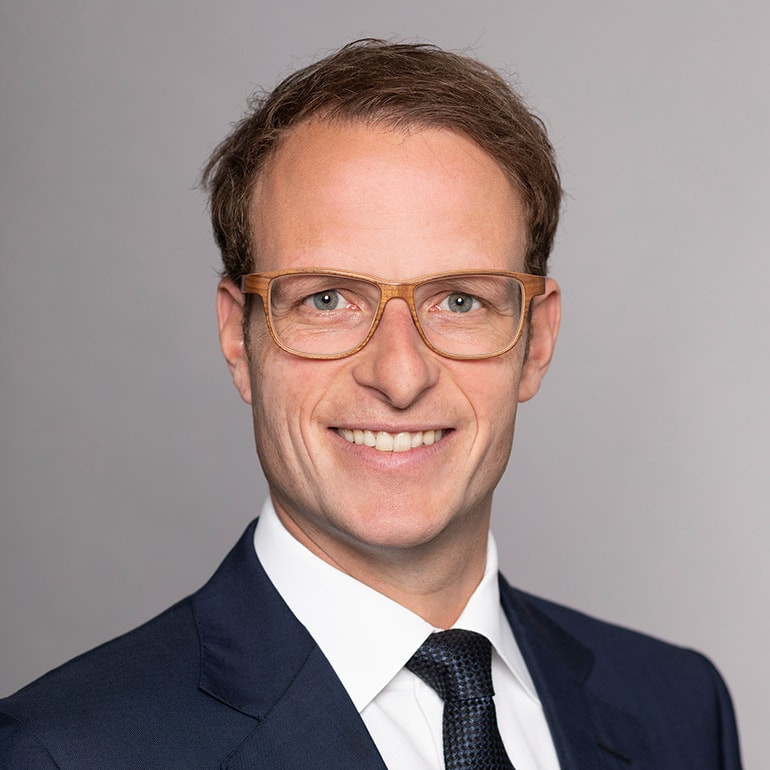
Dr Steffen Gaber, LL.M. (Sydney)
Partner
Stuttgart
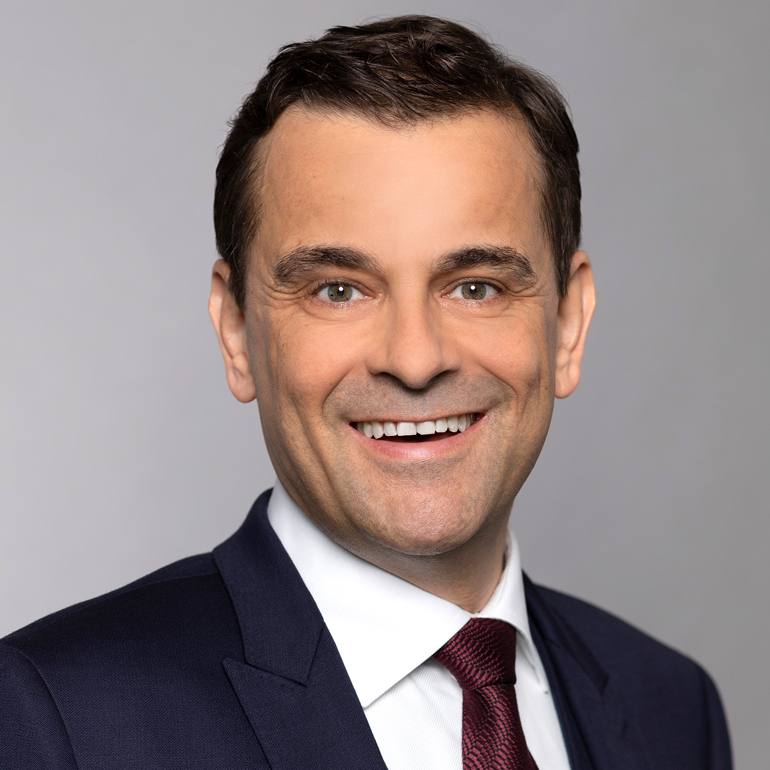
Dr André Große Vorholt
Partner
Munich
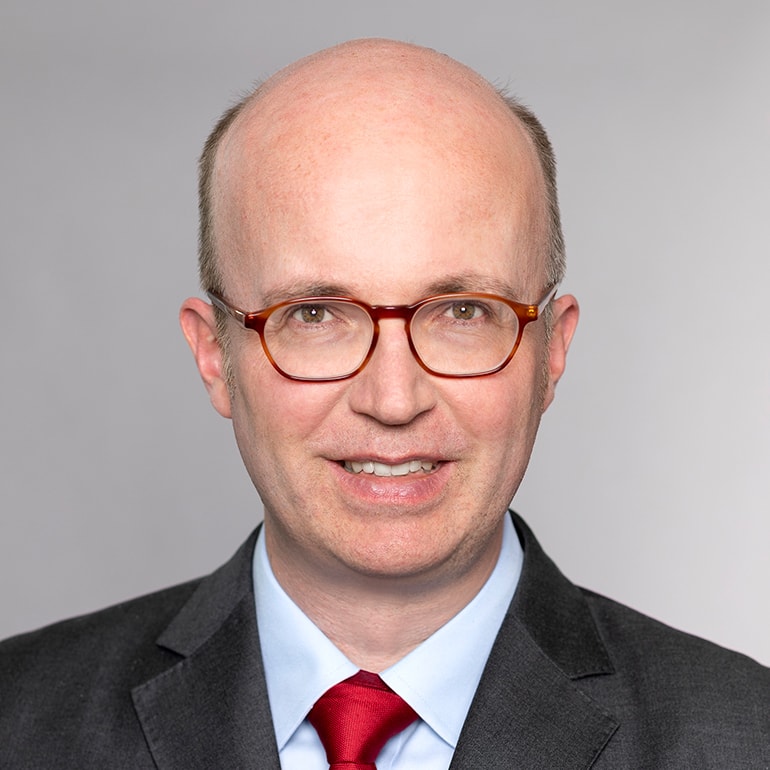
Dr Richard Happ
Partner
Hamburg

Dr Christian Horn, LL.M. (Tulane)
Partner
Berlin

Dr Maresa Hormes
Counsel
Essen
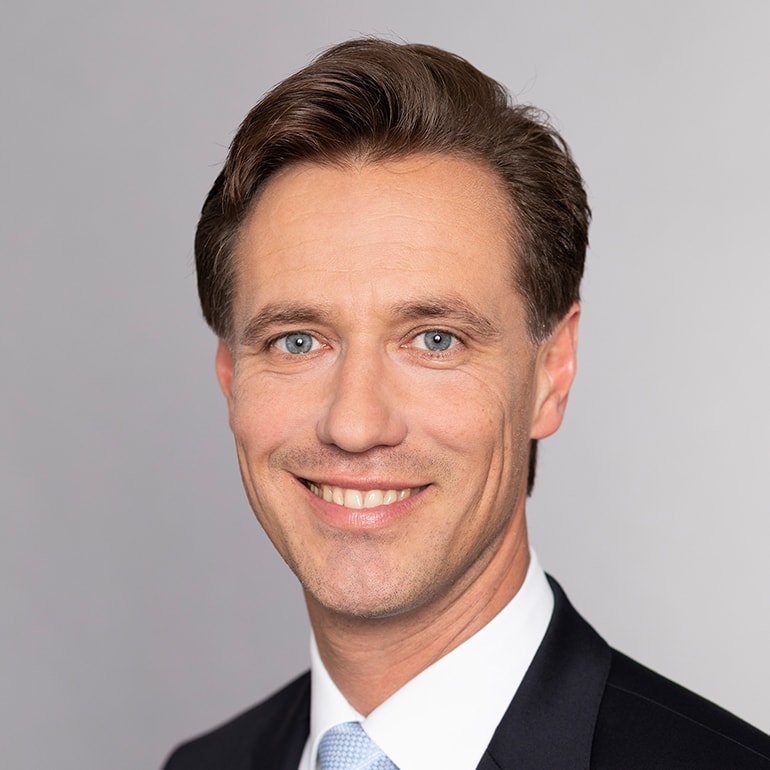
Dr Oliver Kairies
Partner
Hanover
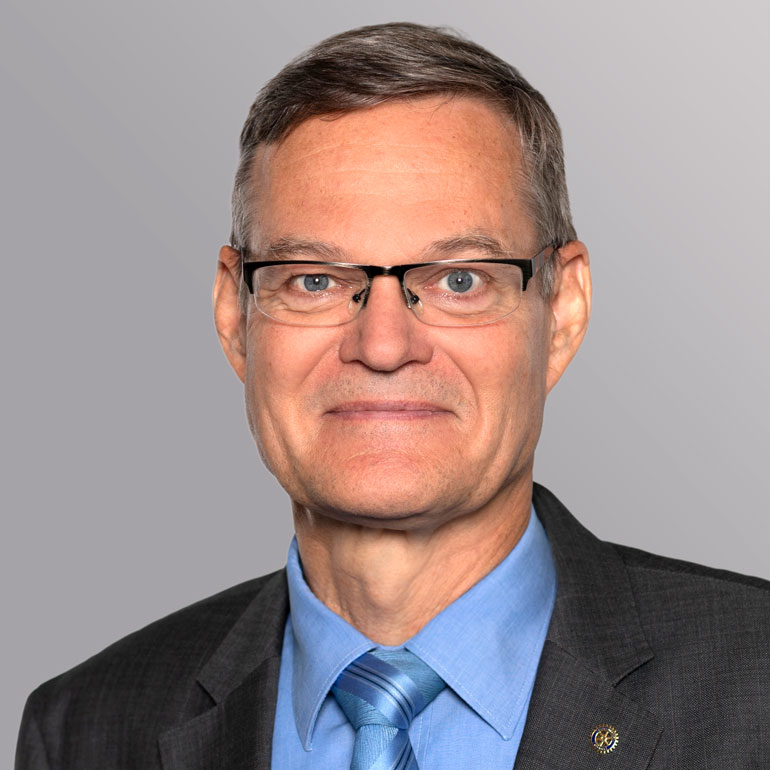
Dr.iur. Andreas Knaul, LL.M. diap (ENA)
Head of Ukraine Desk
Berlin, Kyiv
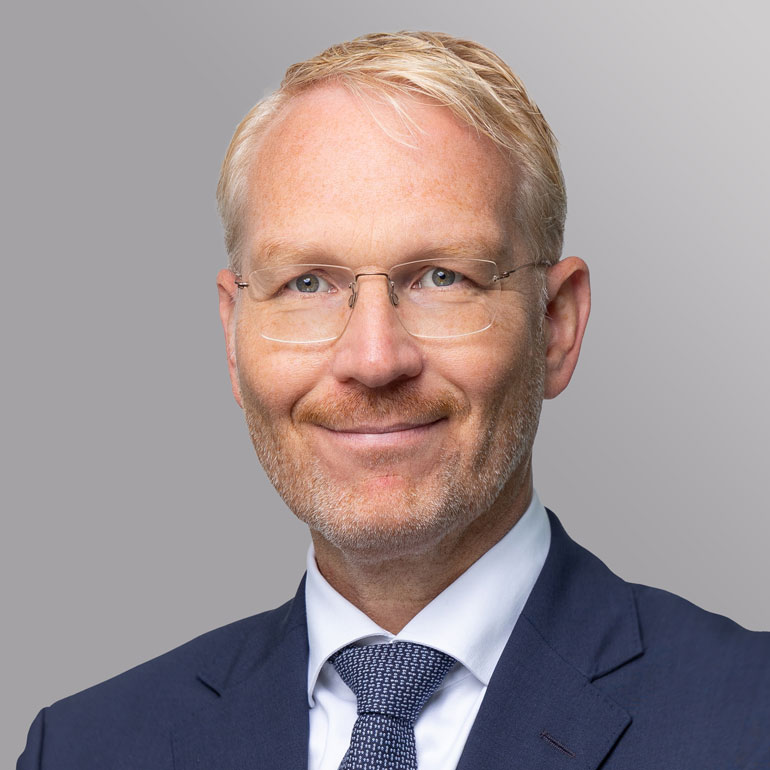
Dr Stefan Mager
Partner
Essen
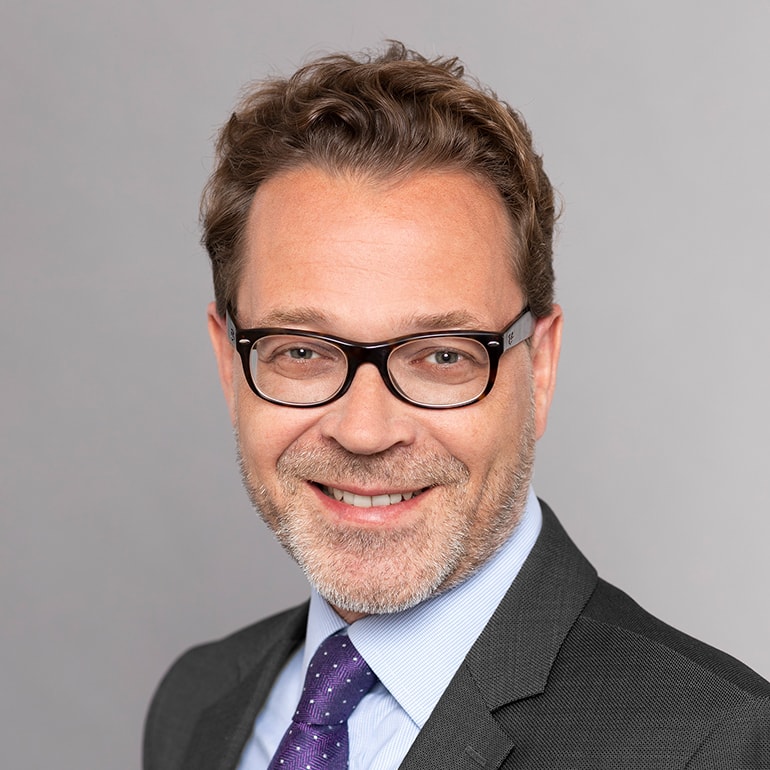
Ole-Jochen Melchior
Partner
Essen
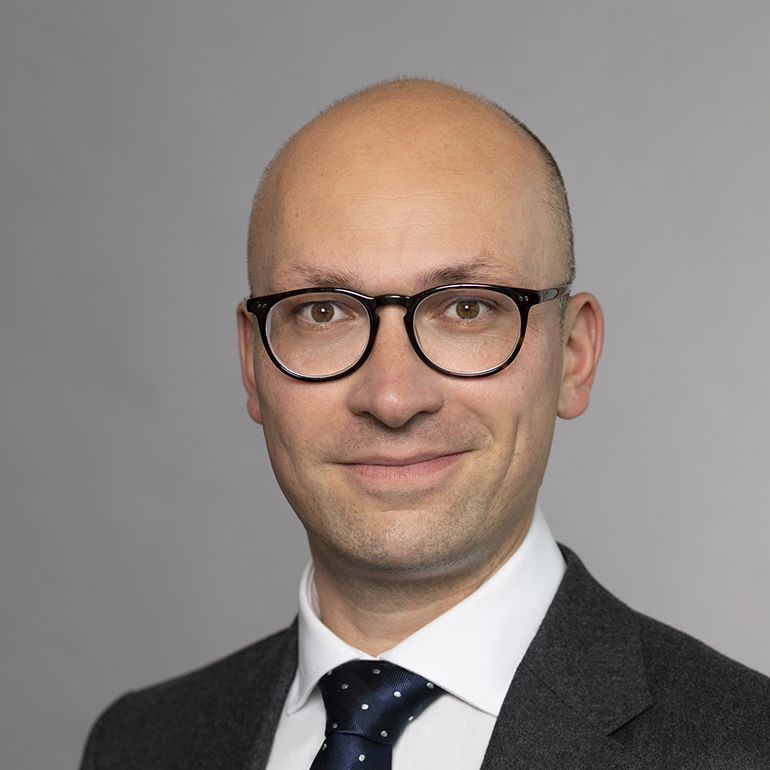
Dr Mathias Mailänder
Counsel
Hamburg
Henner M. Puppel
Partner
Essen

Dr Michael Rath
Partner
Cologne

Pauline Müller-Reiß
Senior Associate
Dusseldorf
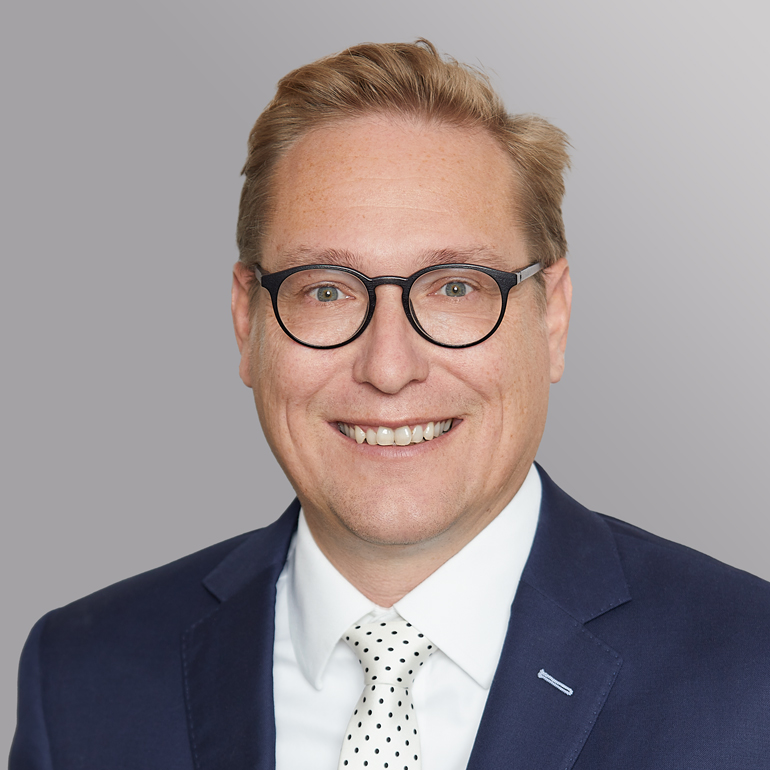
Dr Björn Simon
Partner
Frankfurt a.M.

Dr Katrin Stieß
Partner
Munich
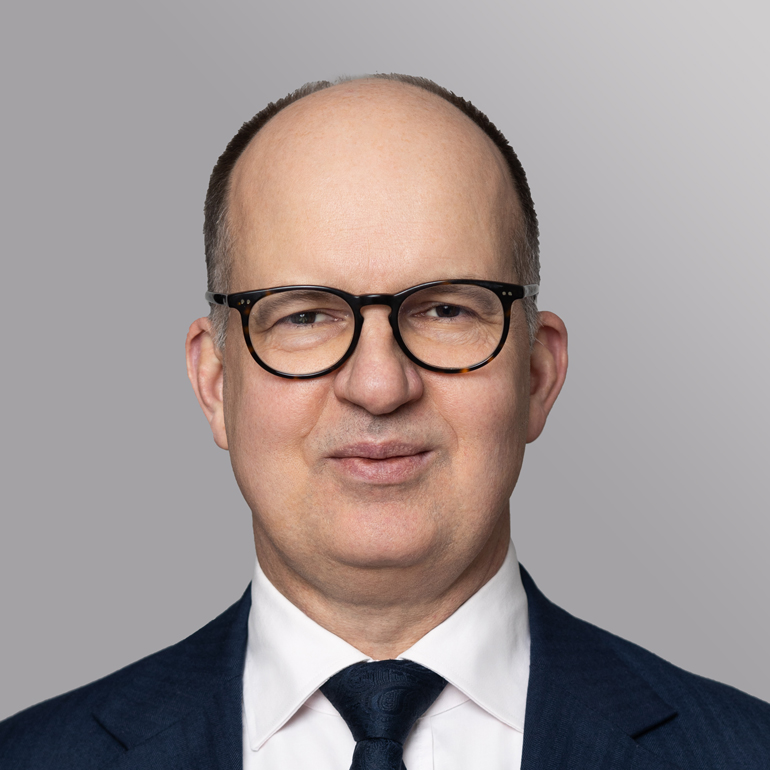
Dr David von Saucken, MJur (Oxon)
Partner
Berlin, London

Anne Caroline Wegner, LL.M. (European University Institute)
Partner
Dusseldorf

Martin Zackor, LL.M. (UCD)
Counsel
Frankfurt a.M.